Easter Sunday at First Church is a celebration of joy, gratitude, and new life. The 10:30 a.m. service will feature soaring music, joyful times with children, and some of our own beloved traditions. After the service there’s a delightful egg hunt for children and a sumptuous coffee hour for adults.
We hope to see you!
Good Friday, March 29
Our Good Friday observance will be offered on Zoom at noon: tinyurl.com/yc5a48ms
Maundy Thursday, March 28
March 28 is Maundy Thursday, when we remember Jesus’ last supper with his disciples and how they deserted him in his hour of greatest need. We begin our time together with a simple supper of soup and bread at 6 o’clock in the dining room. At 7 o’clock we begin an intimate and beautiful service in the Chapel. Communion is shared. All are welcome!
Holy Week 2024
All are welcome!
Worship Services Available In-Person and Online
Please come to the sanctuary or watch the the live-stream on YouTube at 10:20 a.m. on Sundays. The channel is First Church Amherst, MA.
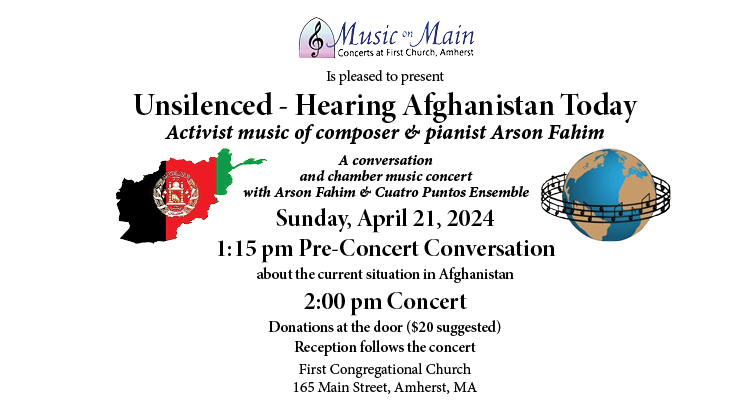
Music on Main Concert
Arson Fahim is a fierce believer in the power of music to be a tool for activism and social change, and a symbol of resistance, perseverance, and hope, Arson's music is often inspired by the tragedies and injustices of war.
A Just Peace church
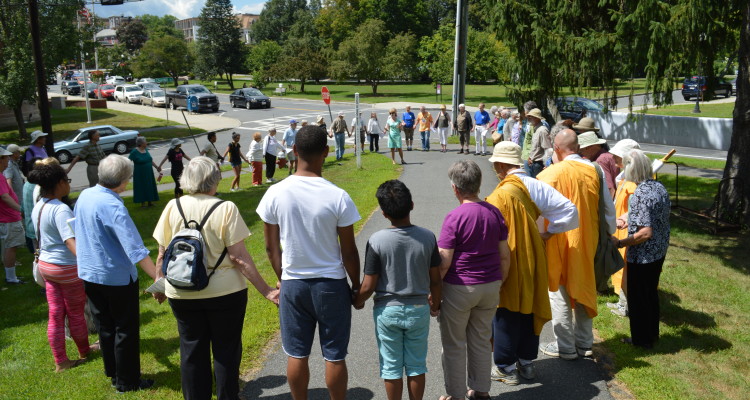
If you’re looking for a church that is committed to making and promoting peace in the world (and trying to discern what that means in specific situations), please check us out. We have been a Just Peace church since 1987, and we love to welcome others who are longing for peace.
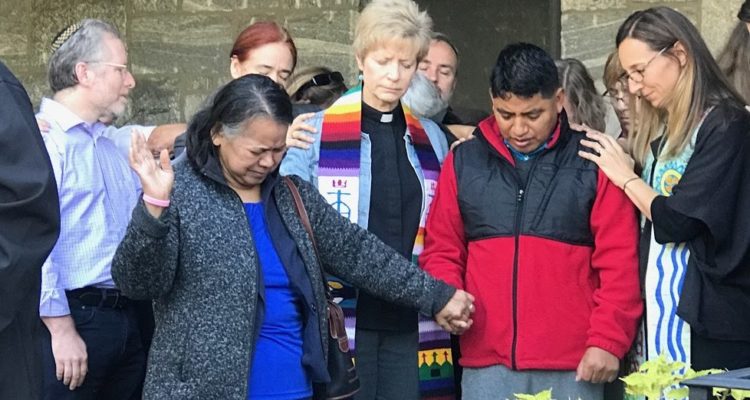
For three and one-half years we offered sanctuary to Lucio Perez. Thanks be to God, Lucio now has a temporary stay of deportation and is home with his family.
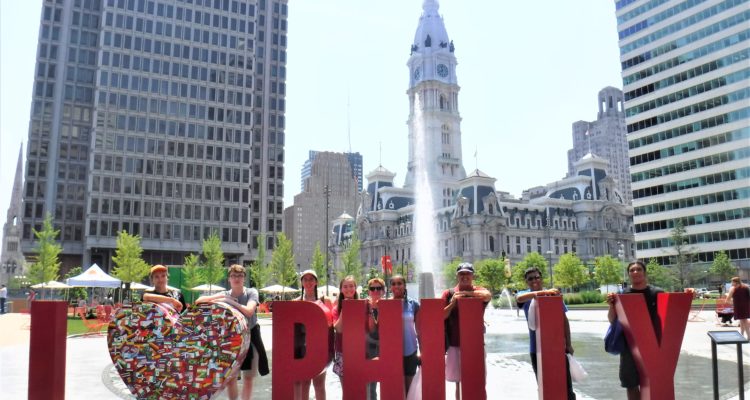
First Church youth spent a week in Philadelphia at BSM, preparing and serving meals, talking with community leaders, and learning how the triplets of evil - racism, poverty, and mass incarceration - damage individuals and communities.
Together we seek to follow the call of Jesus Christ
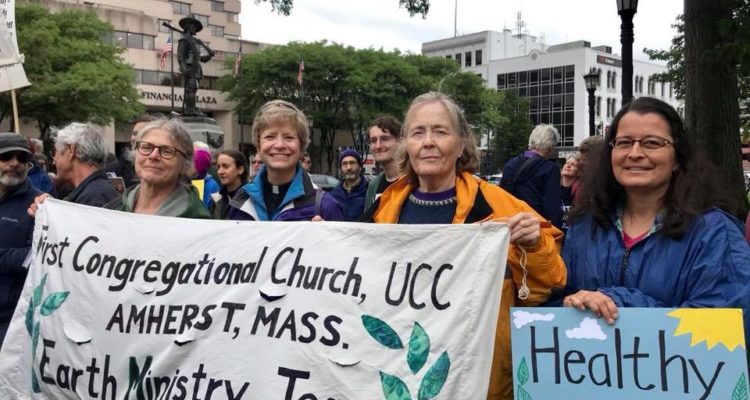
Empowered by God’s Spirit, we commit ourselves to doing God’s work: seeking justice, loving kindness, making peace, and walking humbly together with God.
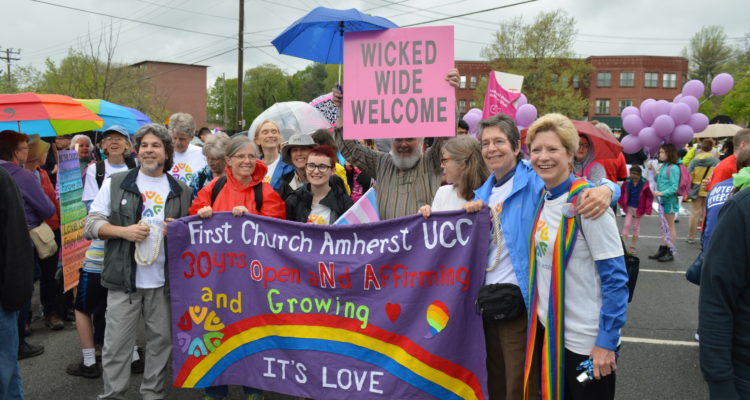
We welcome and affirm all people, including people of all sexual orientations, gender identities and gender expressions into the full life and ministry of the church.
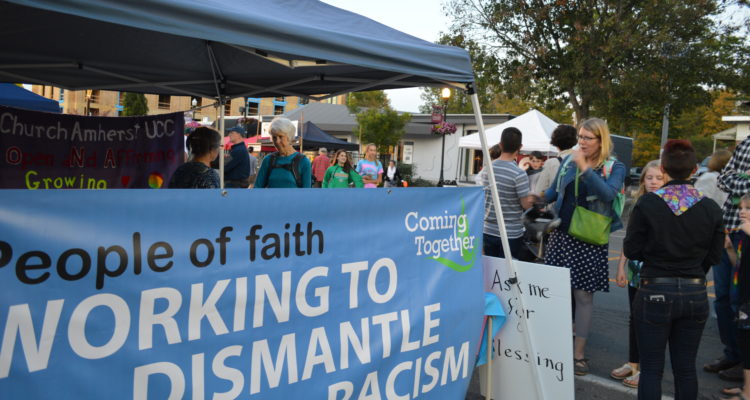
We seek to be a force for the elimination of racism and white privilege. We are engaged in an ongoing process of learning how to help dismantle racism.
Welcome to First Church Amherst! No matter who you are or where you are on life’s journey, we are glad you are visiting us and look forward to greeting you in person.
First Churchers are a family and community that seek to identify how “God is Still Speaking” in our lives, our community, and our world at this time in history.
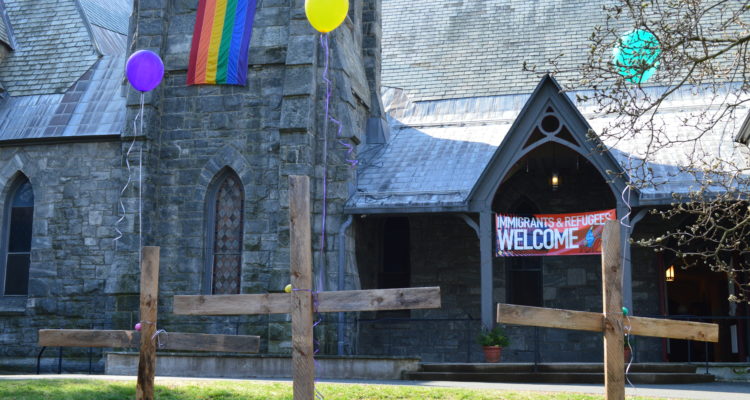
We offer several opportunities for walking the journey of Holy Week together as we further prepare ourselves for the new life of Easter.
ALL people are extravagantly welcomed to all services and activities. We would love to see you! Childcare is available.
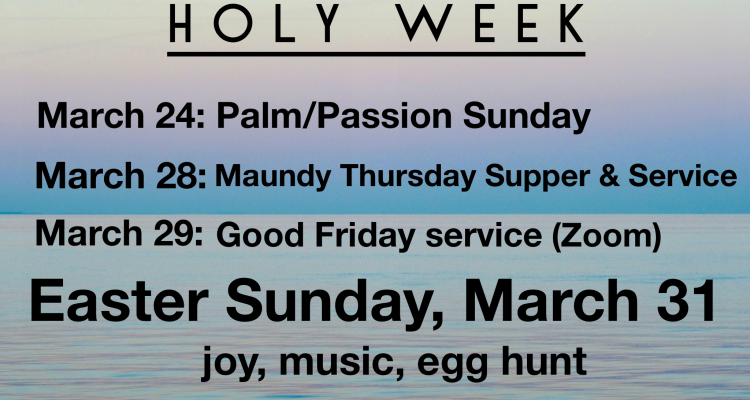
On March 24 at 10:30 a.m., we’ll observe Palm/Passion Sunday with a moving service that takes us from the glory of Jesus’ final entry into Jerusalem to a deeper awareness of the cost and companionship of having God With Us.
March 28 is Maundy Thursday, when we remember Jesus’ last supper with his disciples and how they deserted him in his hour of greatest need. We begin our time together with a simple supper of soup and bread at 6 o’clock in the Dining Room. At 7 o’clock we begin an intimate and beautiful service in the Chapel. Communion is shared.
Our Good Friday observance will be offered on Zoom.
And then, at last, Easter Sunday arrives! Easter Sunday at First Church is a celebration of joy, gratitude, and new life. The 10:30 a.m. service will feature soaring music, joyful times with children, and some of our own beloved traditions. After the service there’s a delightful egg hunt for children and a sumptuous coffee hour for adults.
Our faith is built on a paradox: that it is in losing the things we think life is about that we discover and experience what true life is. This is a hard concept to understand, and harder yet to live out. Unfortunately, what it most often looks like in institutional Christianity is a rubric of obligations, a set of “shoulds,” a list of do’s and don’ts.
Sadly, this structure of suffering and sacrifice is never seen more clearly than during Lent, which is meant to be a time of spiritual devotion and intentional communion with the Holy, a season of learning how it feels to live into what is real and true and life-giving.
Lent is also a great time to explore spiritual practices and all the ways they can connect us to the Holy and bring us new life, and that’s a big part of what we plan to do together this Lent. Reflecting on the scriptures, reading Barbara Brown Taylor’s An Altar in the World, and exploring it all in after-worship Lenten lunches, together we’ll embark upon a Lenten journey of losing, finding, keeping, and living with purpose and joy. See you on the way!
Ash Wednesday, February 14, 7 p.m.: Losing Guilt, Finding Grace
First Sunday, February 18: Losing Certainty, Finding Trust
Second Sunday, February 25: Losing Our Masks, Finding Our True Selves
Third Sunday, March 3: Losing Complacency, Finding Passion + Lenten Lunch
How does a weary world rejoice? How do we rejoice if we’re tired or discouraged or worse? These are important and life-giving questions—because the world is weary. Because wars, injustice, and the challenges of our own lives can wear us down.
But the Word became flesh and moved into our neighborhood, into our messy lives and our broken world. And because God’s Love is for us and chooses to be with us, we can experience what the old carol calls “the thrill of hope” and receive the gift of considering anew how to live—not only during Advent, but always.
During Advent we’ll also enjoy lots of story-telling, candle-lighting, carol-singing, and community-building. Advent is an invitation to be still, a divine summons to acknowledge the holy longings in our hearts, a gentle wake-up call to wonder and waiting, and holy permission to simply revel in God’s love for us and our world.
Advent is also a great time to come back to church, young ones in tow: to bask in the light, be fed by soaring music, hear the story as if for the first time, share the joy, and attend special events. We look forward to celebrating the season with you!
Friday, December 1, 5:30 + 6:30 Family Advent Party + Greening of the Sanctuary
December 3, First Sunday of Advent We Acknowledge Our Weariness
December 10, Second Sunday of Advent We Find Joy in Connection + Trimming the Tree
December 17, Third Sunday of Advent A Service of Lessons & Carols
We Allow Ourselves to Be Amazed
Thursday, December 21, 7 o’clock Longest Night Service + Bonfire
December 24, Fourth Sunday of Advent We Sing Stories of Hope & Make Room
Christmas Eve: 4 o’clock Pageant Service
9 o’clock Meditative service with Communion